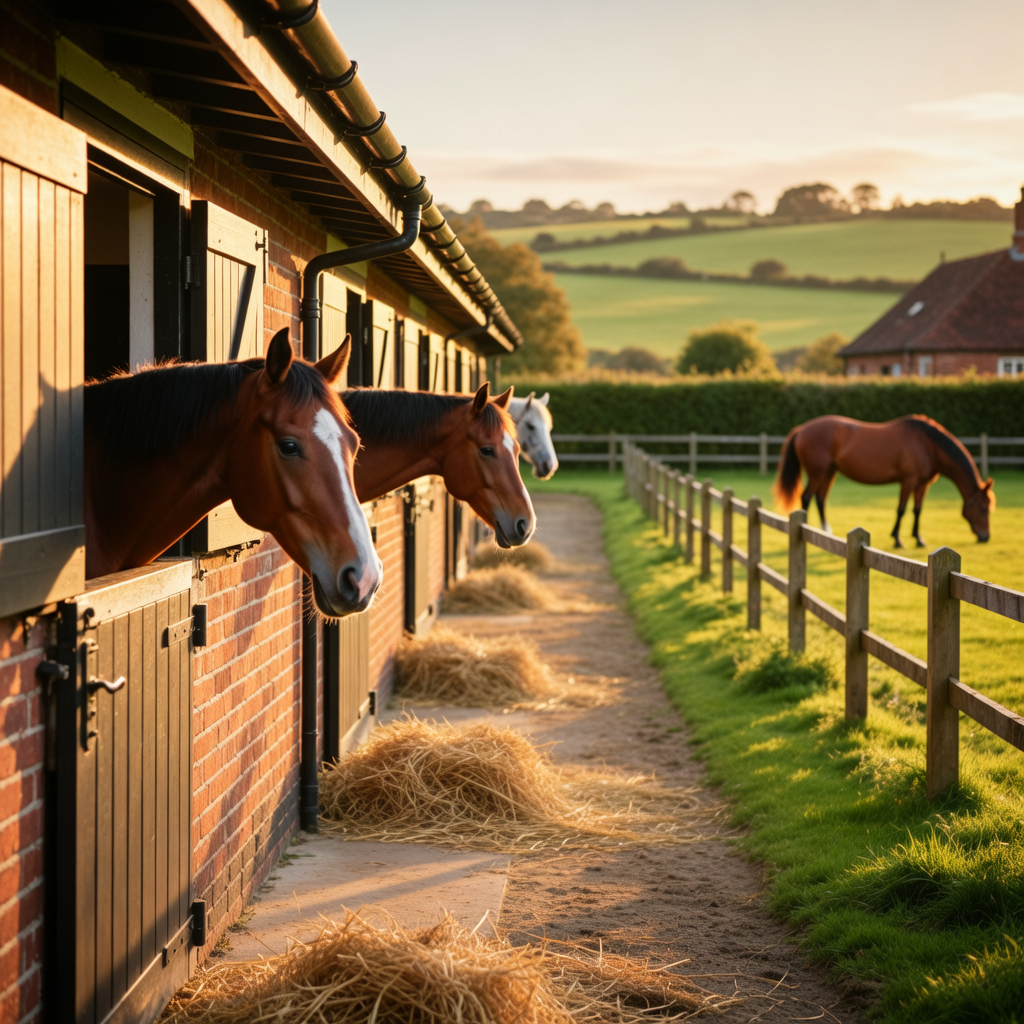
Moving your horse to the wrong livery yard can turn what should be a joyful part of horse ownership into months of stress. Poor grazing, unreliable management, and the wrong atmosphere can affect your horse's health — and your own enjoyment. Learning how to choose a livery yard properly, before you sign anything, is one of the best things you can do for both of you.
In this guide, we'll walk you through every factor that matters, from the questions most people forget to ask to the red flags you should never ignore. Whether you're choosing your first livery yard or moving to a better one, this guide will help you make the right call.
Visit the Yard Before You Commit — Twice if You Can
Never sign up to a livery yard without visiting first. Photos on a website can only tell you so much. Ideally, visit once at an agreed time and once unannounced — you'll see the yard in its true state, not just when it's been tidied up.
When you visit, look beyond the surface. Are the stables clean and well-maintained? Is the fencing in good repair or are there loose posts and broken rails? Is the muck heap managed or overflowing? Are the water troughs clean? These small details tell you a lot about how the yard is really run day to day.
Watch the horses too. Are they calm and content, or do they seem stressed, weaving, or box-walking? Happy horses are usually the best advertisement a yard can have.
Check the Facilities Against Your Needs
Before you visit any yard, write down what you actually need. A dressage rider training for competition has very different requirements from a happy hacker who just wants to ride out at weekends.
Think about the essentials for your situation:
- An arena — Do you need one for schooling? Is it outdoor, indoor, or all-weather?
- Hacking access — Are there safe bridleways nearby, or will you be riding on roads?
- A horse wash area — Important if you compete or ride through winter.
- Secure tack storage — Is there a locked tack room with individual lockers?
- Feed room and haylage storage — Is there space for your feed and is it kept clean and dry?
You can see the full list of facilities available at Greenbank on our facilities page. Use it as a benchmark when comparing yards.
Assess the Grazing and Turnout
Good grazing is the foundation of a happy, healthy horse. But it's not just about how green the grass looks. Ask the practical questions that matter year-round.
How many acres per horse? Anything below 1.5 acres per horse can become overgrazed quickly, especially in summer. Are fields rotated regularly to allow grass recovery? What happens in winter — is there dedicated winter turnout, or do horses stay in for months? What's the drainage like? A field that looks lovely in June can become a quagmire by December.
Also ask about fencing type. Post and rail is ideal, but electric tape can work well if it's maintained properly. Avoid yards where you see barbed wire anywhere near horses.
Meet the Yard Manager and Staff
The yard manager sets the tone for the entire yard. A good manager makes everything run smoothly. A disorganised or unavailable one can make daily life stressful, even if the facilities look perfect.
Are they experienced with horses? Do they hold BHS qualifications? More importantly, are they approachable and genuinely interested in the horses in their care? You want someone who will notice if your horse is off-colour, who answers the phone when you need them, and who handles problems calmly.
If the yard owner isn't hands-on, find out who actually manages the day-to-day. Sometimes the person showing you round isn't the one you'll deal with day to day.
Consider the Yard Atmosphere
Every yard has its own personality. Some are buzzing with competitive riders training for events. Others are quiet, relaxed places where people ride for pleasure and enjoy each other's company. Neither is wrong — but one will suit you better than the other.
If you're a nervous rider who likes a supportive, low-pressure environment, a highly competitive yard could feel intimidating. Conversely, if you're serious about progressing with your horse, you'll want to be around like-minded people. Visit at different times of day and chat to existing liveries. They'll give you the honest picture that no website ever will.
Understand Exactly What's Included in the Price
Livery prices vary enormously across the UK, and so does what's included. A yard that looks cheap on paper can become expensive once you add on haylage, bedding, bringing in, turning out, and facility usage. Always ask for a complete breakdown.
Key questions to ask:
- Is haylage and bedding included, or charged separately?
- Is there a charge for bringing in, turning out, or rug changes?
- Is arena use included, or is there a booking fee?
- How much notice is required if I want to leave?
- Are there any hidden costs like livery yard insurance requirements?
For a transparent look at what's included at different price points, check out our livery prices page.
Think About Location and Access
How far is the yard from your home or work? You'll be visiting at least once a day, often twice, so a long drive quickly becomes a burden — especially in winter when dark evenings and bad weather make every trip feel longer.
Also think about road access. Can you easily get a horsebox or trailer in and out? Is there parking for a lorry? Narrow country lanes may look pretty but can be a nightmare with a trailer in tow, especially when farm traffic or livestock are around.
Questions to Ask Before You Move
We've covered a lot above, so here's a quick checklist you can print or save to your phone when visiting potential yards:
- How many horses are currently on the yard?
- What's the acreage per horse, and how is grazing rotated?
- What's the winter turnout policy?
- Who manages the yard day to day, and what are their qualifications?
- What livery types do you offer (DIY, part, full)?
- What exactly is included in the monthly price?
- What's the arena availability like — is it free or bookable?
- What's the security like — CCTV, tack room locks, overnight presence?
- What's the notice period if I want to leave?
- Can I see a copy of the livery agreement before committing?
- What's the policy on visitors, instructors, and farriers?
- What happens if my horse needs a vet in an emergency?
The Greenbank Difference
We know that choosing a livery yard is a big decision, and we don't take it lightly when someone trusts us with their horse. At Greenbank, we deliberately keep our yard small so that every horse and owner gets genuine, personal attention — not just a stable number.
We have over 30 acres of managed grazing, all-weather arenas, direct access to miles of Lancashire bridleways, and a BHS-qualified yard manager on site every day. Our liveries often describe us as more like a horse-owning family than a commercial yard — and that's exactly what we aim for.
We're always happy to show prospective liveries around, answer questions, and introduce you to our existing horse owners. No pressure, no hard sell — just an honest conversation about whether Greenbank is the right home for your horse. Get in touch to arrange a visit.